Showing posts with label plan. Show all posts

Saturday, March 9, 2013

Tuna Salad Remains to be One of the Quickest, Muscle-Building Meals Available Today

As far as quick, muscle-building meals go, it's tough to beat tuna fish salad. Six ounces of canned tuna, packed in water, contain 40 grams of protein for about 220 calories. Add a large hard-boiled egg and you've contributed 6 more grams of protein for 78 calories. 

A little mayo will up the creaminess but still keep you under a 500-calorie meal—all while providing a powerhouse of workout recovery fuel. 

Friday, March 1, 2013

Don’t Skip Breakfast to Cut Calories...


Don’t Skip Breakfast to Cut Calories

When you’re trying to lose weight, cutting out breakfast may be tempting. You figure you’re saving yourself some calories and you get a couple extra minutes to snooze. But research has consistently shown that the people who successfully lose weight are the ones that wake up and eat! Furthermore, people who eat breakfast regularly have better vitamin and mineral status and eat fewer calories from fat. So it seems that breakfast really is the most important meal of the day.


EAT EARLY, WEIGH LESS LATER

Why does eating breakfast help people lose weight? It defies common sense that eating all those calories in the morning instead of simply skipping them would help.

Many studies, in both adults and children, have shown that breakfast eaters tend to weigh less than breakfast skippers.
Why? One theory suggests that eating a healthy breakfast can reduce hunger throughout the day and help people make better food choices at other meals. While it might seem as though you could save calories by skipping breakfast, this is not an effective strategy. Typically, hunger gets the best of people who skip breakfast, and they eat more at lunch and throughout the day.

Another theory behind the breakfast–weight control link implies that eating breakfast is part of a healthy lifestyle that includes making wise food choices and balancing calories with exercise. For example, consider the successful weight losers followed by the National Weight Control Registry, all of whom have lost at least 30 pounds and kept it off for at least one year. Some 80% of the people in the Registry regularly eat breakfast (and also follow a calorie-controlled, low-fat diet).

It’s worth noting that most studies linking breakfast to weight control looked at a healthy breakfast containing protein and/or whole grains—not meals loaded with fat and calories.

Eating breakfast also gives you energy to do more physical activity and be more productive in everything you do, which is also vital to weight control. So make the effort to get up in the morning and fix yourself a healthy meal.


MAINTAINING YOUR DIET

Before you get too excited and go out for a Denny’s™ Grand Slam Breakfast, keep in mind that your breakfast should consist of healthy items that are in line with your current dietary weight-loss goals. Members of the National Weight Control Registry report eating cereal and fruit for breakfast. While these are certainly healthy options, eggs have also been shown to offer several benefits.

Eggs have a greater satiety value than cereal and white bread. This means that they are more satisfying in giving you that feeling of fullness, while you may actually be eating less. One of the reasons for this is that eggs are high in protein, which is known to increase satiety. Proteins also have a higher thermic effect, meaning that it takes more calories to digest them. Studies have compared an egg breakfast to a bagel breakfast of the same caloric value and weight. Researchers at Louisiana State University’s Pennington Biomedical Research Center discovered that people who ate the eggs for breakfast ate less at lunch and less throughout the rest of the day compared to people who ate the bagels, even though they had the same amount of calories for breakfast.

In the past, eggs have had a bad rap because of their high cholesterol content. However, eggs today have lower cholesterol counts than in the past due to the healthier feeds given to chickens. Additionally, research has shown that moderate egg consumption of about 1 per day does not increase the risk of coronary heart disease in healthy individuals. If the cholesterol count is a concern, then egg whites, which are free of cholesterol yet rich in protein, are a good alternative. Eggs are also a good source of essential nutrients riboflavin, vitamin B12, phosphorus, selenium and protein.

If you aren’t too keen on eggs, try low-fat or non-fat dairy products like yogurt, which are also high in protein. High-fiber complex carbohydrates like whole-grain breads and cereals will keep you satisfied. Fiber also increases that sensation of fullness. Overall, whether you choose eggs, cereal or fruit, your breakfast should fall in line with your dietary weight-loss goals. Choose foods that fit your lifestyle and that you will enjoy.


 photo thumbs_up-1-1-1.jpg

Thursday, November 15, 2012

Broccoli: Following the facts about this powerful green vegetable.


Broccoli Facts


  1. Broccoli is named for its appearance; the word is derived from the Latin word brachium, which means arm or branch.
  2. Broccoli was not grown commercially in the United States until the 1920's, when the D’Arrigo brothers (Italian immigrants) began planting it in San Jose, California, in 1922. They started a business called “Andy Boy,” which to this day remains a significant supplier of the vegetable.
  3. Broccoli is rich in dietary fiber, minerals, vitamins (especially A and C), antioxidants and folates; it contains protein and is very low in calories, at only 34 calories per 100 grams. Just half a cup of cooked, chopped broccoli packs the same amount of vitamin C you would find in half a cup of orange juice.
  4. Studies have found that sulforaphane, one of the antioxidants found in broccoli, helps protect the eye from damage caused by the sun’s ultraviolet rays. This same antioxidant prevents tumor growth and kills stomach bacteria that lead to ulcers and stomach cancer, research shows.
  5. When buying broccoli, you should look for tightly packed heads that are a deep, dark green or even slightly purple; the stalks should be smooth and firm. Avoid broccoli that has open or yellow buds on top, that is wilted or that feels soft or mushy.
  6. Broccoli can be eaten raw, steamed, microwaved, boiled or even stir-fried. It complements most dishes well and can be substituted for or mixed with other vegetables in your favorite recipes.

Wednesday, April 25, 2012

Power up your brain w/ these 5 Steps for a better breakfast


Does every morning start like a scene out of Zombieland—and you’re the zombie? Skipping breakfast may be to blame. 


A review of 134 breakfast studies conducted by the University of Leeds in the UK found that your memory, problem-solving skills, verbal fluency, and several other measures of cognitive ability all suffer when you miss the most important meal of the day.


New research provides a road map that can help you get the most from your breakfast and your brain every morning.


5 Steps for a better breakfast

  1. Protein power. Eating a protein-rich breakfast resulted in a nearly 20 percent boost in brain activity compared to either no breakfast or a breakfast high in sugar, Japanese research shows. That’s because protein, unlike sugar, provides your brain with a consistent energy source, the study says. Eggs are a great source of hunger-quelling protein, not to mention a lot of other good stuff.
  2. A "better" source of caffeine. A recent study from the University of Bristol in the UK found that just 20 to 30 milligrams (mg) of caffeine boosts brainpower—regardless of how alert the subjects felt. That’s about 100 mg less than your average cup of coffee. Higher doses didn't provide any additional brain boost. So have a small amount of dark chocolate in the morning. Research has shown dark chocolate improves blood flow and cholesterol levels, and may even help you lose weight. One ounce—or about two 1-inch squares—containing 70 to 85 percent cocoa packs roughly 25 mg of caffeine. (For more great food choices, hit me up and I'll be happy to help)

Friday, February 24, 2012

Know how much daily fiber you need?


Keeping Fit with Fiber
People don't often associate fiber with fitness—but they should! Eating small helpings of fiber-rich foods throughout the day is one way to get the body you want and one of the best ways to keep the body you want. To accompany regular workout routines, I work with my clients to devise a well-balanced nutrition plan. Plans will vary from client to client, but their daily fiber intake always remains the same:

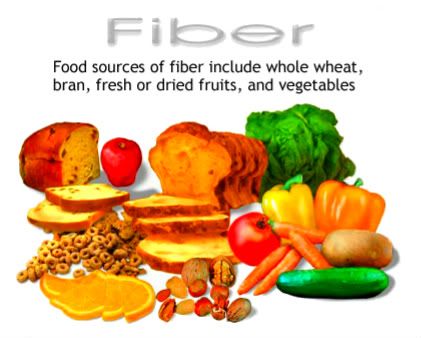
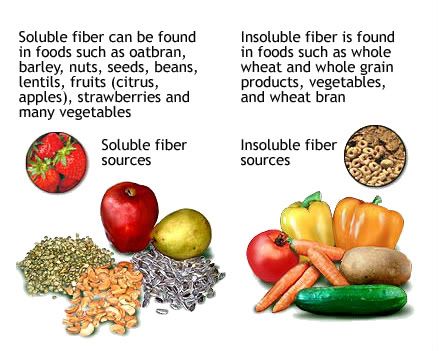
To obtain the above objectives requires adding a serving of fiber to almost every meal and snack. Dietary fiber is the indigestible part of plant foods that moves through the gastrointestinal tract, cleaning it out, aiding elimination and helping to prevent gastrointestinal disease. Moreover, fiber increases the satiety of a meal, adding bulk and substance to keep you feeling full longer.


Simply put: Fiber will fill you up and clean you out!


So eat several servings of fiber throughout the day to keep your tummy happy and your body fueled with energy. Here are 10 easy ways to boost your daily fiber intake:
  1. Add fresh berries to your morning meal
  2. Have dried or fresh fruit for dessert at dinnertime
  3. Add veggies and beans to ready-made soups
  4. Toss a handful of finely chopped veggies into your morning eggs
  5. Add raw nuts or cooked beans to a salad
  6. Eat a whole fruit instead of drinking the juice
  7. Be sure to eat the peels on your potatoes, carrot and fruits
  8. Add a spoonful of a fiber supplement to your morning juice (like Metamucil©)
  9. Swap iceberg lettuce for spinach or dark green lettuce varieties
  10. Snack on crispy and delightful MultiGtain Wafers (be sure to enjoy with plenty of water)


I challenge you to incorporate more fiber into your diet today. Not only will you feel better, but you'll look better too! In the months ahead, I'll continue to add resources and helpful tips to this blog so that you can learn more about how nutrition and fitness work together to keep your body healthy.


Photobucket

Thursday, January 19, 2012

Valentine’s Day Black-Bean Fudge


Valentine’s Day Black-Bean Fudge
Food for Thought:
Super easy to whip together, this dairy-free fudge recipe features a surprising ingredient: black beans.
Don’t be put off by the legumes—you won’t be able to taste them! The beans replace the milk and sugar in a traditional fudge recipe, while providing a decent amount of protein. Naturally sweet carob powder means very little sweetener is needed. Protect your sweetheart’s health with a batch of these for Valentine’s Day!

  • 1 15-ounce can cooked black beans, drained and rinsed (or about 13/4 cups cooked beans)
  • 3/4 cup carob powder
  • 6 tablespoons (tbs) melted coconut oil
  • 4–6 tbs maple syrup or agave nectar
  • 1 teaspoon (tsp) vanilla extract
  • 1 tsp cinnamon (optional)
  • 1/2 tsp sea salt

Place all ingredients in food processor fitted with “S” blade, and blend until totally smooth. Mixture will be thick.

Line 8- by 4-inch loaf pan with plastic wrap, and transfer fudge mixture to pan, spreading mixture to edges.

Refrigerate until totally firm.

Use plastic wrap to lift fudge from pan. Cut into squares and serve. Store in refrigerator.
Makes 24 pieces or 12 servings.

Per Serving:                                                                   

146 calories
6.9 grams (g) fat
2.5 g protein
18.4 g carbs
4.9 g fiber
0 milligrams (mg) cholesterol
101 mg sodium

Thursday, January 5, 2012

Snacking Associated With Healthier Overall Diet


It seems counter intuitive to suggest that people should be snacking more but a study published in the November 14, 2011, edition of the Journal of the American Dietetic Association concluded that increased snacking could positively impact overall diet quality.
 
Claire A. Zizza, PhD, associate professor of nutrition at Auburn University in Alabama, and co-author Beibei Xu, PhD, found that people who snack between meals tend to have healthier diets than those who stick to eating only at regular mealtimes. Study subjects who snacked more frequently consumed less sodium and ate more fruit, whole grains and milk than their counterparts. In addition, the more subjects snacked, the more likely they were to eat both healthy snacks and healthy meals. Still, frequent snackers fell short of eating enough vegetables, and the overall healthiness of the study participants' diets left room for improvement.

Zizza and Xu used data from 11,209 people aged 20 and older who participated between 1999 and 2004 in the larger National Health and Nutrition Examination Survey, which includes interviews and physical exams. The researchers used a standard scoring system that ranks the healthiness of diets on a scale from 1 to 100 (100 being healthiest). They discovered that the more times a day people snacked, the higher they tended to score. Those who reported never snacking scored 49.3, on average, while those who snacked four or more times a day averaged 51.6.