Showing posts with label benefits. Show all posts

Friday, May 10, 2013

CASE STUDY: Not only does Weight Resistance Training Benefit the Body but the Mind as Well

You probably know that strength training has many physical health–related benefits, including:
  • a lower risk of all causes of death
  • fewer heart attacks and strokes 
  • improved body composition (Garber et al. 2011)


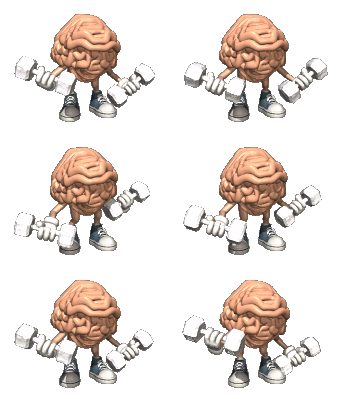
However, did you know that it can also help with your mental health? O’Connor, Herring and Caravalho (2010) completed an extensive review of the research on this topic, admitting only studies that met certain criteria for quality research. 

So what does the research show? Amenda Ramirez, who has a degree in exercise science from the University of New Mexico, Albuquerque (UNM), and Len Kravitz, PhD, the program coordinator of exercise science and a researcher at UNM, summarize highlights of the findings below. 

Resistance Training and Anxiety
While it is normal to experience anxiety in relation to interviews, tests, new challenges or performances, prolonged anxiety is associated with sleep disruptions, mental distress, bodily pain, poor health and limitations to physical activity. From the seven resistance training studies on this topic that met the criteria for inclusion in the review, the researchers conclude that resistance training is a meaningful intervention for people suffering from anxiety. Interestingly, two of the seven studies compared the effects of high-intensity resistance training (exercises performed at 80% of 1-repetition maximum [1-RM]) with the effects of moderate-intensity training (50%–60% of 1-RM) and found that the lower intensity was more effective in reducing anxiety. 
Resistance Training and Improved Brain Cognition 
Cognition refers to your brain’s processing ability to obtain knowledge through thought, experience and the senses. Cognition research attempts to determine how we transform events and experiences into stored memory, which can be recovered and used to complete mental and physical tasks. Highly associated with cognition is executive function, the “command and control” conductor of cognitive skills. This brain control center manages all of the tasks in your life, such as writing an article, doing a research project, preparing for a class and organizing a trip. A great amount of research on exercise and cognitive function has been completed with older adults as subjects, as it’s been felt that exercise might offer this population consequential benefits in this area (Colcombe & Framer 2003). O’Connor, Herring and Caravalho note that seven randomized controlled studies show that resistance training improves several aspects of cognition in healthy older adults. Uniquely, one of the most profound effects is a marked improvement in memory and memory-related tasks. Additionally, it appears that improved executive function is a major benefit, both of resistance training (Anderson-Hanley, Nimon & Westen 2010) and of cardiovascular exercise (Colcombe & Framer 2003)

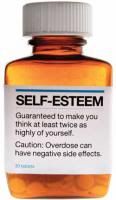
Resistance Training and Self-Esteem 
Self-esteem is a person’s self-opinion. High self-esteem is strongly associated with positive physical and mental well-being. Resistance training has been shown to improve self-esteem in healthy adults (both younger and older), in populations with cancer or depression and in people undergoing cardiac rehabilitation. 

Resistance Training And Sleep 
As you have probably already experienced, insufficient sleep is a problem for your physical and mental health! Consistent sleep deprivation (less than 6 hours a night) is associated with:
  • cognitive impairment
  • mental illness
  • hypertension
  • obesity
  • cardiovascular disease
  • stroke
  • daytime sleepiness
  • motor vehicle accidents
  • an overall diminished quality of life
The research indicates that physically active people usually have healthy sleep patterns and a lower risk for sleep apnea. Furthermore, depressed persons with sleep disorders show a 30% improvement in sleep from a regular resistance training intervention. These results appear to become most effective after 8–10 weeks of consistent resistance training.


References
Anderson-Hanley, C., Nimon, J.P., & Westen, S.C. 2010. Cognitive health benefits of strengthening exercise for community-dwelling older adults. Journal of Clinical and Experimental Neuropsychology, 32 (9), 996–1001. 

Colcombe, S., & Framer, A.F. 2003. Fitness effects on the cognitive function of older adults: A meta-analytic study. Psychological Science, 14 (2), 125–30. 

Garber, C.E., et al. 2011. Quantity and quality of exercise for developing and maintaining cardiorespiratory, musculoskeletal, and neuromotor fitness in apparently healthy adults: Guidance for prescribing exercise. Medicine & Science in Sports & Exercise, 43 (7), 1334–49. 

O’Connor, P.J., Herring, M.P., & Caravalho, A. 2010. Mental health benefits of strength training in adults. American Journal of Lifestyle Medicine, 4 (5), 377–96.

Friday, July 27, 2012

Five Health Benefits of Masturbation that you probably never considered (until now)

A new survey from adult product peddler AdamandEve.com reveals that 27% of Americans admit to masturbating once or twice a week. That number seems suspiciously low to us, especially since science has shown that being master of your domain can provide additional feel-great benefits. (Also because the people surveyed were browsing an adult toy website.)

“Masturbation is part of a healthy sex life,” says Gloria Brame, Ph.D., a clinical sexologist. “It’s totally safe and harmless. It’s healthier than brushing your teeth every day.”

And just as brushing your teeth should be a regular occurrence, so too should be cleaning your pipes. Here are 5 reasons to take matters into your own hands right now. (you can thank me later)

  1. It prevents cancer. A 2003 Australian study found that men who ejaculated more than five times a week were a third less likely to develop prostate cancer. Disease-causing toxins build up in your urogenital tract and when you rub one out, you flush the bad guys out of your system, says Brame.
  2. It makes you harder. As you age, you naturally lose muscle tone … even down there. Regular sex or masturbation works out your pelvic floor muscles to prevent erectile dysfunction and incontinence. “It keeps the angle of your dangle perky,” says Brame. Aim to (ahem) arrive 3 to 5 times a week for rock-solid results.
  3. It helps you last longer. Taking yourself to palm prom may help you stretch your sack sessions. “[Masturbating] an hour before a date will give you more control,” says Brame. Train yourself by timing how long it takes you to orgasm, suggests Ava Cadell, Ph.D., founder of loveologyuniversity.com. If it usually takes two minutes solo, try for three next time. Or count how many strokes you need to get to your happy place. If you’re spurting after 50, shoot for 60. “Most men can double the number of strokes and the time within one month,” Cadell says. Practice makes perfect, right?
  4. It ups your immunity. Ejaculation increases levels of the hormone cortisol, says Jennifer Landa, M.D., a specialist in hormone therapy. Cortisol, which usually gets a bad rap as a havoc-wrecking stress hormone, actually helps regulate and maintain your immunity in the small doses. “Masturbation can product the right environment for a strengthened immune system,” she says.
  5. It boosts your mood. Masturbating releases a slew of feel-good neurochemicals like dopamine and oxytocin that lift your spirits, boost your satisfaction, and activate the reward circuits in your brain. “An orgasm is the biggest non-drug blast of dopamine available,” says Brame. “A brain scan of someone having an orgasm looks like a heroin addict’s.”

Thursday, May 24, 2012

Alcohol Consumption turns Your Body into a FAT-"STORER" Rather Than a FAT-"BURNER"

Alcohol Consumption Seriously Erodes the Body's Ability to Develop Muscle Tissue


If increasing muscle mass is one of your goals, then think twice before you go out for a night of heavy drinking. Consuming alcohol in large quantities has a direct effect on your metabolism, causing fat to be stored instead of being utilized as an energy source. Alcohol contains seven “empty” calories per gram, meaning that these calories don’t provide you with any of the essential nutrients you need to build that muscle mass you desire.


Effects of Excessive Alcohol Consumption on Your Body

  • Muscles—Reduces blood flow to the muscles, causing weakness and deterioration
  • Hormones—Reduces testosterone in your blood and increases conversion of testosterone to estrogen, causing increased fat depositing and fluid retention
  • Liver—Creates imbalances that can cause hypoglycemia (low blood sugar), fatty liver and hyperlipidemia (build-up of fats in the bloodstream)
  • Brain—Cuts off the supply of oxygen to the brain, resulting in a “blackout” caused by a lack of oxygen supply to the brain that can kill tens of thousands of brain cells

Effects of Excessive Alcohol Consumption on Physical Performance
Alcohol is a known depressant that suppresses the brain’s ability to function. Even though you may feel a “high” after several cocktails, the truth is that your reaction time, accuracy, balance, hand-eye coordination and endurance all decrease dramatically. Furthermore, the after-effects of a night of excessive drinking can be detrimental to your fitness goals. Alcohol is a diuretic that may result in dehydration. This dehydration is known to decrease physical performance, so that previous night of drinking will continue to affect you the following day.


Alcohol and Sleep
Alcohol consumption can cause sleep disorders by disrupting the sequence and duration of sleep states and by altering total sleep time and the time required to fall asleep. It is popularly believed that a drink before bedtime can help a person fall asleep. However, alcohol’s affect on sleep patterns results in increased fatigue and physical stress to the body. Therefore, alcohol consumption indirectly affects a person’s strength-training ability due to increased fatigue and a lack of healthy reparable sleep.


Alcohol and Nutrition
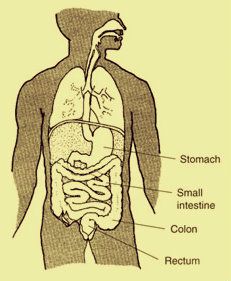
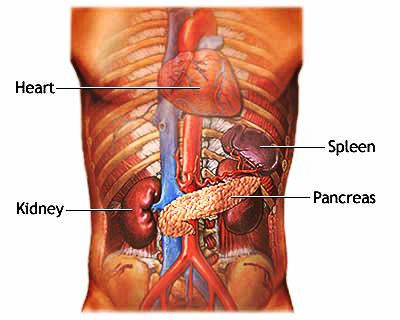
Alcohol inhibits the breakdown of nutrients into usable substances by decreasing the secretion of digestive enzymes from the pancreas. Regular alcohol consumption also impairs nutrient absorption by damaging the cells lining the stomach and intestines and disabling transport of some nutrients into the blood. In addition, nutritional deficiencies themselves may lead to further absorption problems. For example, folate deficiency alters the cells lining the small intestine, which in turn impairs the absorption of water and nutrients, including glucose, sodium and additional folate. Such interference of nutrient breakdown and absorption may impair the physical performance and recovery required to build and maintain muscle mass.


Putting on the Pounds
Many people under the influence experience “drunk munchies” that can result in the consumption of several hundred extra calories for the day. A study examining how alcohol affects caloric intake found that subjects who drank wine with their lunch consumed an additional 200 calories and did not compensate for those calories by cutting back at dinner.


Safe in Moderation
Now that you know some of the negative effects of excessive alcohol consumption, you might be scared to have that glass of wine with dinner. Don’t be. When alcohol is consumed in moderation (no more than one drink per day for women and no more than two drinks per day for men), it has been shown to have some positive effects:

  • Increased HDL cholesterol (“good” cholesterol) within one to two weeks
  • Reduced stress levels
  • Reduced insulin resistance
  • The Take-home Message

In conclusion, if you want to increase muscle mass, decrease fat or improve general health, make sure alcohol is only consumed in moderation. Next time you are asked to go out socially, be the designated driver. Not only will your friends appreciate it and be much safer, but you will be one step closer to your fitness goals.


Calories Add Up Fast!
  • 12 ounces of beer = ~150 calories
  • 5 ounces of wine = ~100 calories
  • 1.5-ounces of distilled spirits = ~100 calories


Sources:

  1. National Institutes of Health—Alcohol Consumption: www.health.nih.gov/topic/AlcoholConsumption 
  2. National Strength & Conditioning Association—Alcohol Consumption and its Effect on Performance: www.nsca-lift.org/perform/article.asp?ArticleID=204
  3. Alcohol Eats Away at Muscle Mass - Free Fit Fact for Weight Loss, Workouts, Health and Fitness Challenges from the American Council On Exercise


Wednesday, March 14, 2012

The Health Benefits of Massage

Massage has many important health benefits. In fact, massage can help you maintain physical, mental, and emotional well being, especially when it is part of your regular wellness routine.

The Health Benefits:
  • Massage calms the nervous system and promotes a sense of relaxation and well being
  • Massage reduces tension and anxiety
  • Massage improves blood circulation, which delivers oxygen and nutrients to the cells
  • Massage stimulates the lymphatic system, which carries away the body’s waste products
  • Massage prevents and relieve muscles cramps and spasms.
  • Massage therapy can help with pain management in conditions such as arthritis, sciatica, and (but not limited to) muscle spasms
Remind yourself of these health benefits if you start to feel guilty about getting massage!

Massage is not a good idea though if you have a fever, infections, inflammation, osteoporosis and other medical conditions. If you have any questions about whether a massage would be right for you, ask to speak to a massage therapist before you make your appointment.